
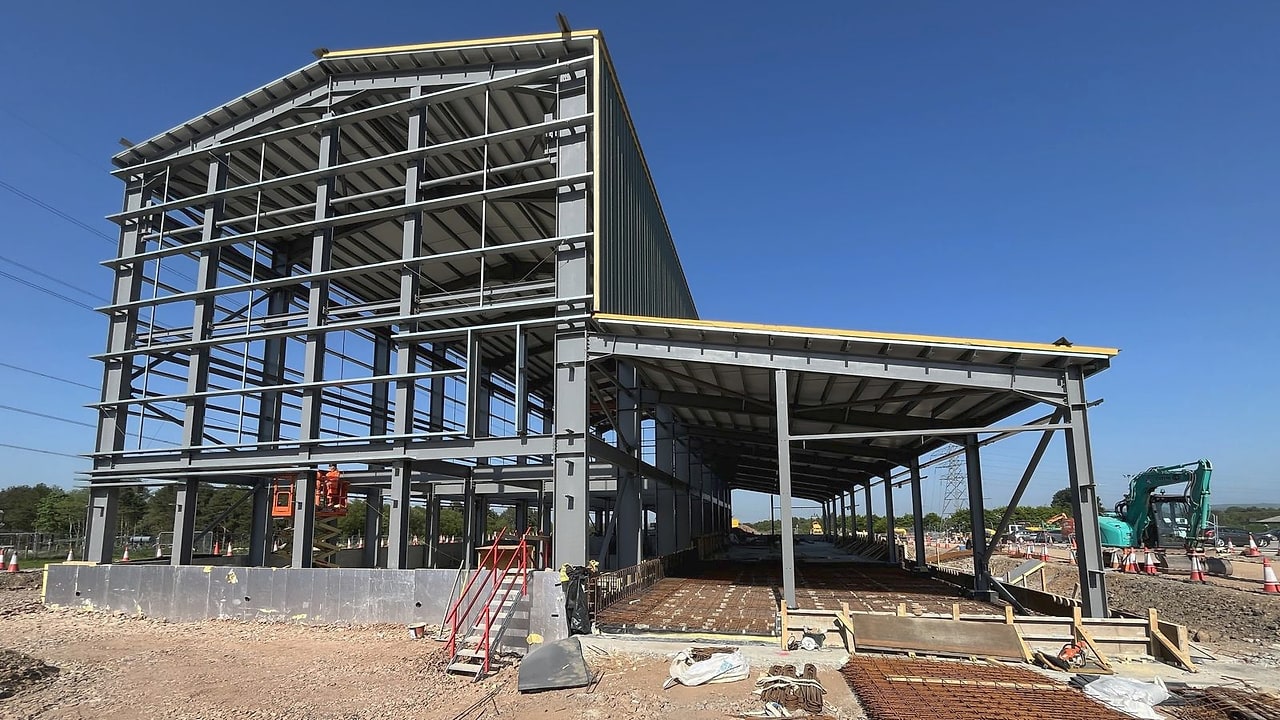
Cable Pulling, Ducting and Installation Civils
Scotland and UK-wide · Aberdeen based · Directly employed multi-trade crews
The civils scope of cable installation
PKBC delivers the civils scope of cable installation for power and utility projects: route survey, trenching, multi-way ducting, jointing chambers, cable pulling, backfill and full reinstatement. We work as a subcontractor to Tier 1 principal contractors, Independent Connection Providers, M&E contractors and energy developers.
If your jointing team is ready but the route is not, that is the gap we fill.
- One gang from route survey to reinstated surface
- Directly employed, CSCS-carded operatives — not agency labour
- Constructionline Gold, SSIP, ISO 9001, Cyber Essentials, Achilles UVDB
What we install
We take the cable route from survey to reinstated surface. Every stage below is delivered by our own directly employed operatives, not by a chain of subcontractors.
Route survey and safe digging
Before any ground is broken we scan the route with CAT4 and Genny, mark up existing services, and work to a permit-to-dig regime. Trial holes and hand digging within the safe distance of known apparatus. Every operative on the gang is a trained CAT and Genny user — not one nominated person per site.
Excavation and trenching
Machine and hand excavation to the specified depth and cover, in verge, hard standing, carriageway and open ground. Our own carded plant operators run mini excavators and dumpers, so the gang is not waiting on a plant subcontractor. Trench support and shoring where ground conditions or depth require it.
Ducting installation
Single and multi-way duct runs to DNO and client specification, laid to line and level, with correct bedding and surround, draw cords installed, duct ends sealed and capped. Warning tape and protective tiles or covers to the relevant standard. Ducts are proved with mandrel and brush and left ready for the pull — a duct that fails on the day of the pull costs everyone a shift.
Jointing chambers, joint bays and substation bases
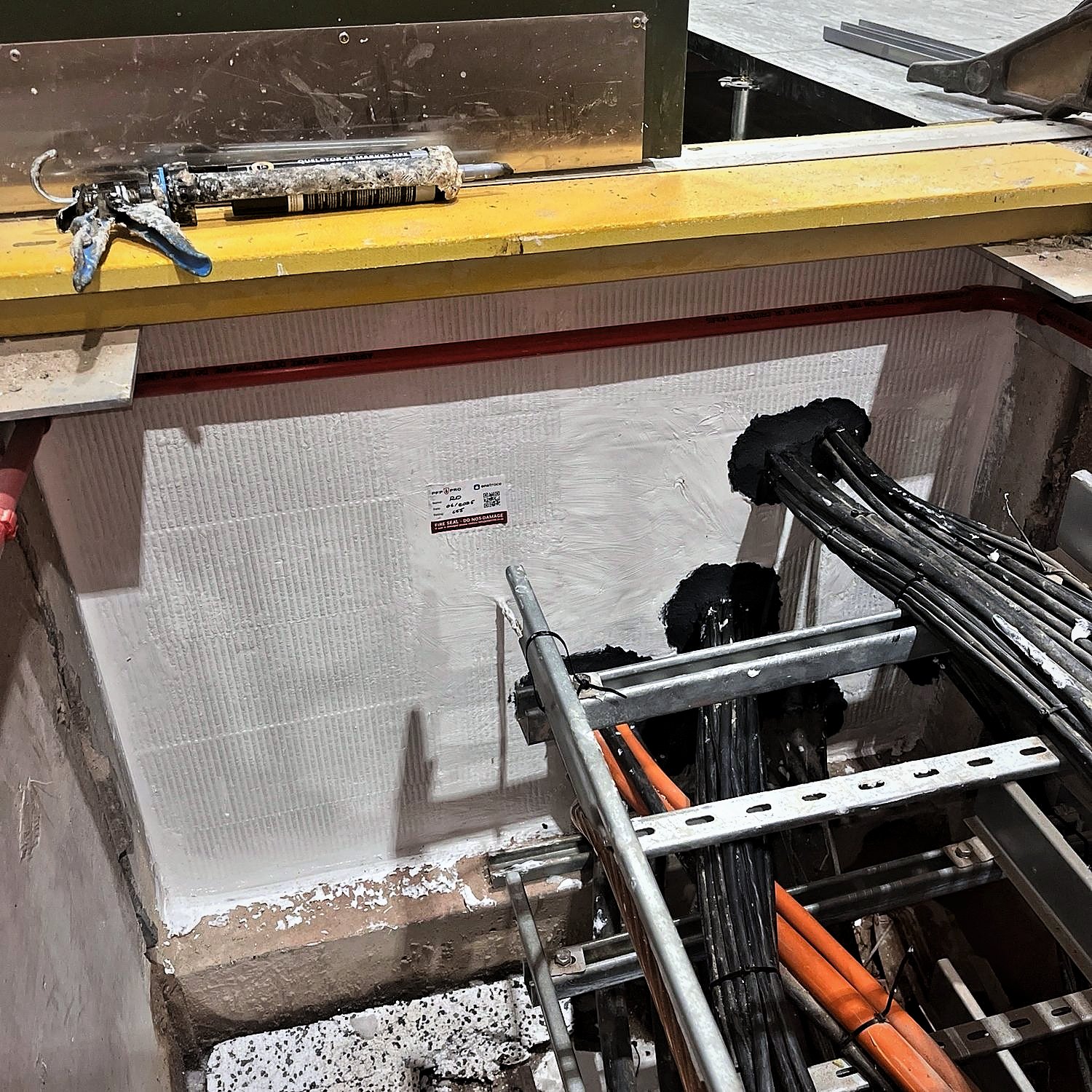
Excavation, formation and installation of jointing chambers and joint bays, including access covers to the correct loading class. Concrete bases and plinths for substations, switchgear, feeder pillars and transformer positions — an area where our substation building experience carries across directly.
Cable pulling
LV, 11kV and 33kV cable pulling through new and existing duct runs, together with control, multicore, pilot and fibre cables, using a powered capstan winch, cable rollers and drum jacks. Pulling tension is monitored on a dynamometer and recorded, so you have evidence that the manufacturer’s maximum tension and minimum bending radius were not exceeded. Drum handling by trained slinger-signallers. Radio communication between the drum end and the winch end throughout the pull.
Backfill and reinstatement
Layered backfill and compaction to specification, with imported material where the arisings are unsuitable. Permanent reinstatement of footway, verge and carriageway, and of hard standing and landscaping on private sites.
Works in the public highway (NRSWA)
Our supervisor holds NRSWA supervisor units and the gang carries NRSWA operative cards, so we can work in the public highway lawfully and set out compliant Chapter 8 traffic management, signing, lighting and guarding.
Transmission projects at 132kV and above
On 132kV, 275kV and 400kV substation and transmission projects we deliver the cable route civils: trenching, duct banks, joint bays, cable troughing, thermally specified backfill and reinstatement. We also install the LV, 11kV, auxiliary, control and earthing cabling within the site. The transmission cable itself is installed by the manufacturer’s own specialist teams, and we work alongside them.
What we do not do — and why that helps you
We do not carry out cable jointing, termination or electrical testing, and we do not make live connections. That scope stays with your jointing team, your ICP or the DNO.
We think that is a feature, not a limitation. Most ICPs and cable contractors already have jointers — that is their core skill and their accreditation. What they run short of is a civils gang that can dig safely alongside live apparatus, work to NRSWA, and hand over a route the jointers can actually work in. That is the job we do, and it is the only job we are asking you to buy.
Where a client prefers a single package, cable jointing and termination can be arranged through accredited partners.
Who we work for
Tier 1 principal contractors
Delivering substation, transmission and distribution projects, where cable civils is one package among several.
Independent Connection Providers
ICPs who hold the electrical scope in house and need a reliable civils subcontractor for trenching, ducting and pulling.
M&E contractors
On industrial, commercial and process sites, who need the underground work done before the cables go in.
Energy developers
Battery storage (BESS), solar, onshore wind and EV charging developers, where the balance of plant civils and internal cable routes are subcontracted.
Industrial site operators
Carrying out upgrades, new supplies or diversions on their own land.
Why contractors use PKBC
One subcontractor, several trades
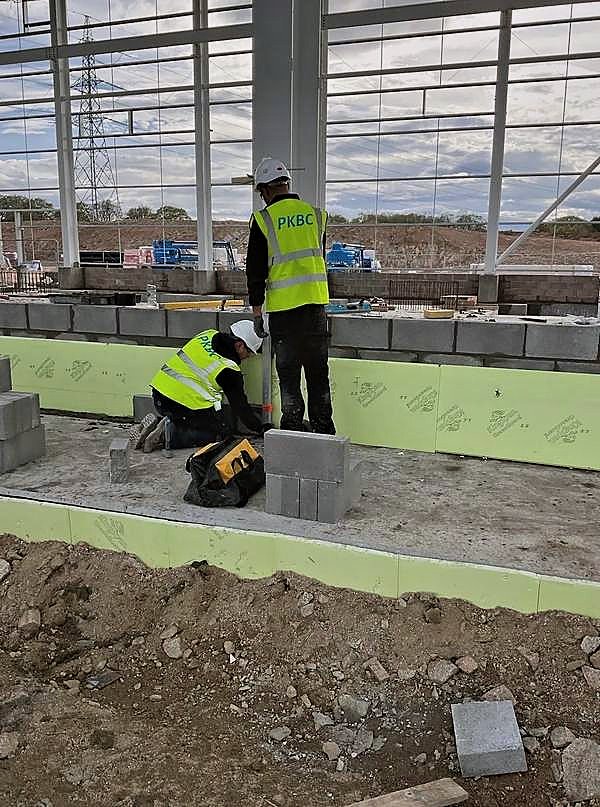
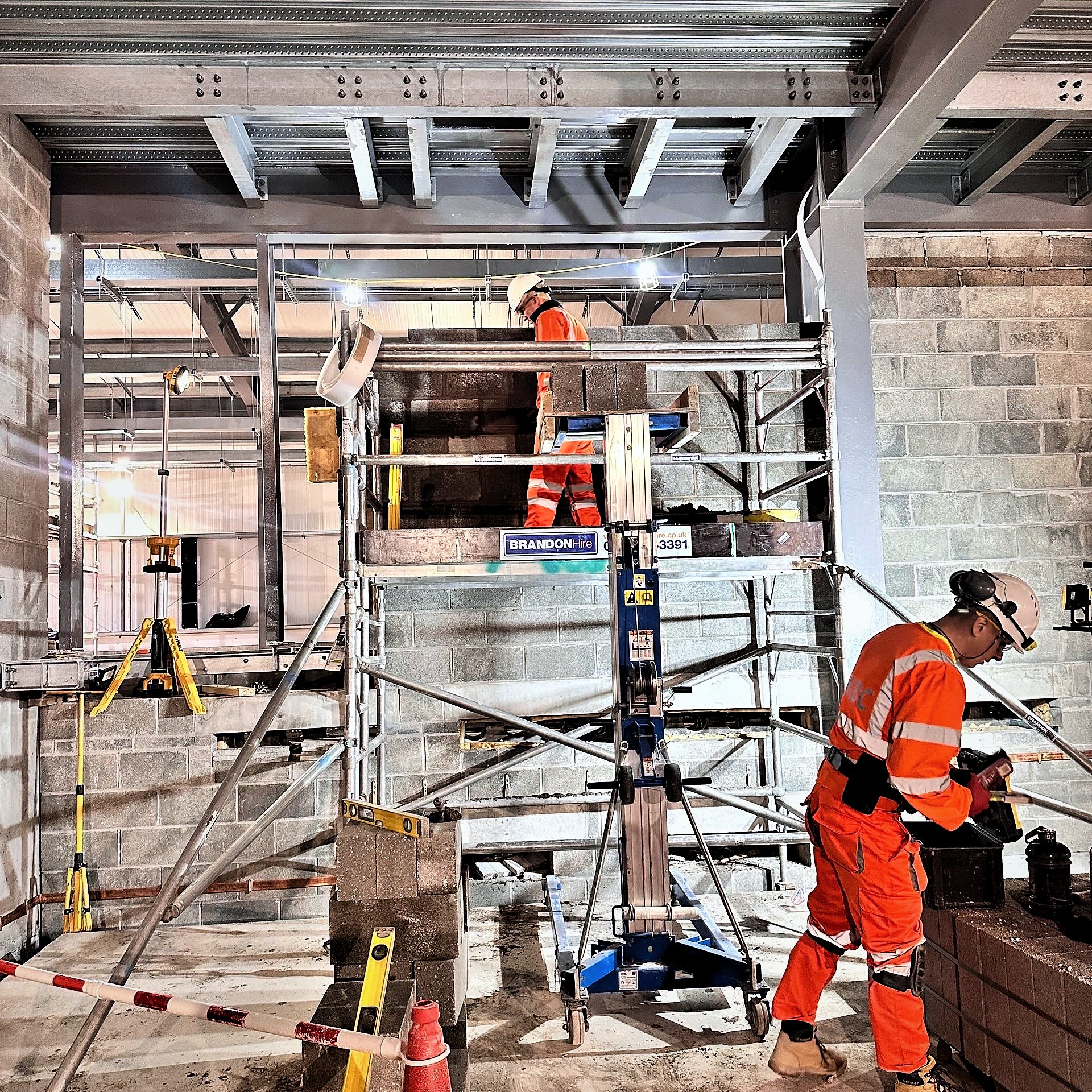
Our workforce is multi-trade. On a substation site the same PKBC team can deliver the cable civils and the blockwork, firestopping, specialist coatings and internal fit-out. Fewer subcontractors on your site means fewer inductions, fewer interface clashes and one supervisor who is accountable for the lot.
Directly employed people
Our operatives are our own employees with our own training records, not agency labour introduced on the morning of the pull.
Live site discipline
We have worked on operational electrical substations since 2016. Permits, isolations, exclusion zones and working alongside other trades on a live asset are routine for us, not a learning curve.
Aberdeen based, UK-wide delivery
We are in the middle of the north of Scotland transmission investment programme, which helps principal contractors evidence local employment and social value commitments. Where sites are remote, our crews stay locally rather than commuting daily, so the programme does not lose hours to travel.
Accredited and audited
Constructionline Gold (Principal Contractor), SSIP, ISO 9001, Cyber Essentials, Achilles UVDB.
Standards, competence and compliance
Every operative carries a CSCS card and EUSR SHEA Power for utilities site access. The gang supervisor holds SSSTS and NRSWA supervisor units. Cable avoidance training for every member of the crew, confined space training for chamber entry, and trained slinger-signallers for drum handling. Plant is operated only by carded operators.
Task-specific RAMS are issued before every job and briefed on site. Quality is managed under our ISO 9001 certified system, with inspection and test records at the stages that matter — duct proving, depth and cover, bedding, pulling tension and compaction — so your handover pack is complete without chasing.
Our cable installation equipment
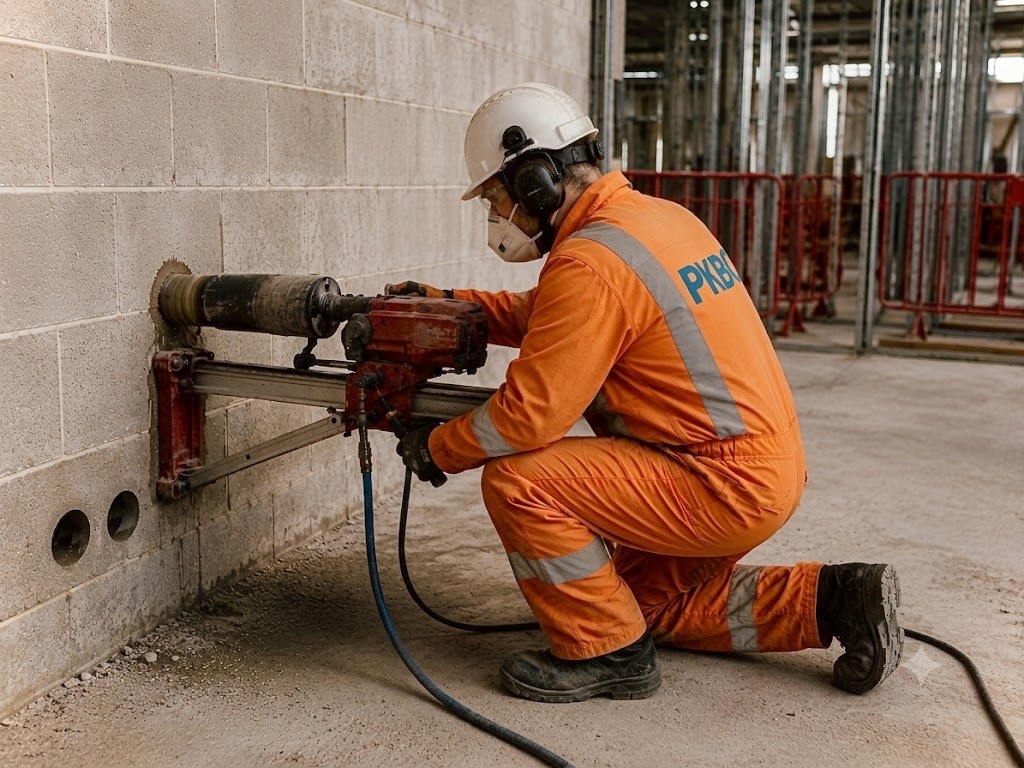
Powered capstan winch with tension monitoring · cable rollers, straight and corner · drum jacks and spindle bars · cable socks, stockings and swivels · duct rods, mandrels and proving brushes · CAT4 and Genny locators · compaction plates and trench rammers · breakers and disc cutters · trench support · Chapter 8 traffic management · gas detection and rescue tripod for chamber entry · site power and lighting. Mini excavators, dumpers and welfare are provided per project.
Where we work
We are based in Aberdeen and work across Aberdeenshire, Moray, the Highlands, Angus, Dundee, Perth and Tayside, Fife, the Central Belt including Glasgow and Edinburgh, and the Scottish Borders. We also deliver projects elsewhere in the UK with crews accommodated locally for the duration of the works. See where PKBC crews have delivered on the projects map.
Related experience
PKBC has delivered building works packages on electrical substations for Tier 1 contractors since 2016, including blockwork, firestopping, specialist acid-resistant and anti-slip coatings, and internal fit-out on live operational sites. We delivered a design and build package including roofing at Kelvin ERF for Acciona, and full roof replacement and internal refurbishment across MOD properties for Amey. We are an approved contractor to BAM Nuttall, Morgan Sindall, Amey, RJ McLeod and ACS.
Frequently asked questions
Do you carry out cable jointing?
No. We deliver the civils scope — excavation, ducting, chambers, cable pulling, backfill and reinstatement. Jointing, termination and testing stay with your jointing team, your ICP or the DNO. Where a client prefers a single package, jointing can be arranged through accredited partners.
Are you NERS accredited?
Not at present. NERS applies to contestable connections work on the DNO network. We currently work as a civils subcontractor to accredited ICPs and principal contractors, who hold the accreditation for the connection itself.
Can you work on live substation sites?
Yes. We have delivered building works on operational electrical substations since 2016 and work routinely under permit, with isolations and exclusion zones in place alongside other trades.
Do you have NRSWA-qualified operatives?
Yes. Our supervisor holds NRSWA supervisor units and the gang carries operative cards, so we can lawfully carry out works in the public highway and set out compliant Chapter 8 traffic management.
What size cables can you pull?
LV, 11kV and 33kV power cables, plus control, multicore, pilot and fibre, through new and existing ducts. Drums up to three tonnes, with pulling tension monitored and recorded. On transmission projects at 132kV and above the cable itself is installed by the manufacturer’s own teams; our scope there is the route civils, joint bays and the auxiliary, control and earthing cabling. Send us the cable schedule and route length and we will confirm.
Do you provide your own plant and operators?
Yes. Our operatives hold plant tickets for mini excavators and dumpers, so machine work is delivered by the same gang rather than a separate plant subcontractor.
How far do you travel from Aberdeen?
We work across Scotland as a matter of course and deliver projects elsewhere in the UK, with crews accommodated locally rather than commuting daily.
How quickly can you mobilise?
Typically within two to three weeks for a planned package, subject to current commitments. Get in touch early with your programme dates and we will tell you honestly what we can hold.
Talk to us about your cable package
Send us the route length, duct configuration, cable schedule and your programme dates, and we will come back with a price. If drawings are ready, attach them — it saves a round of questions. We reply to every enquiry within one working day. Prefer to talk? Call our Aberdeen office on 01224 782776.
Discuss a project